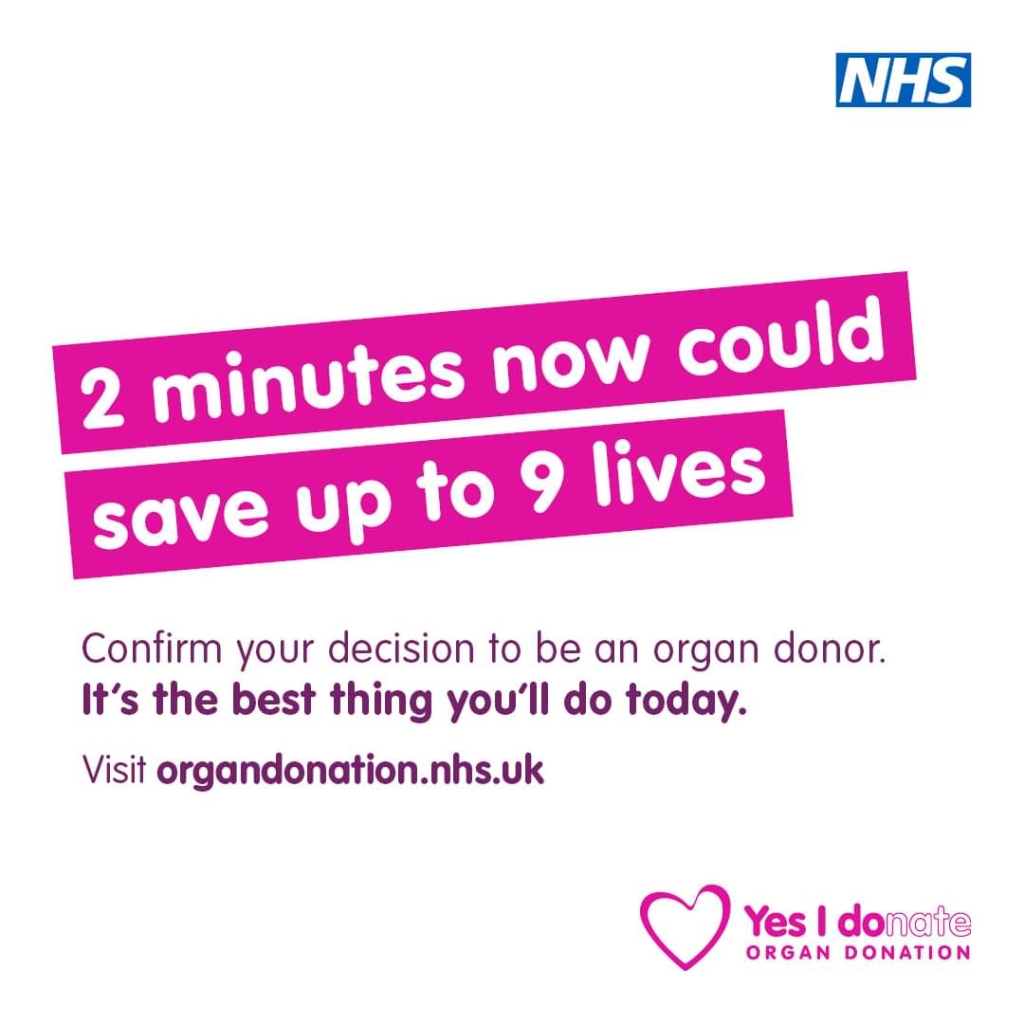
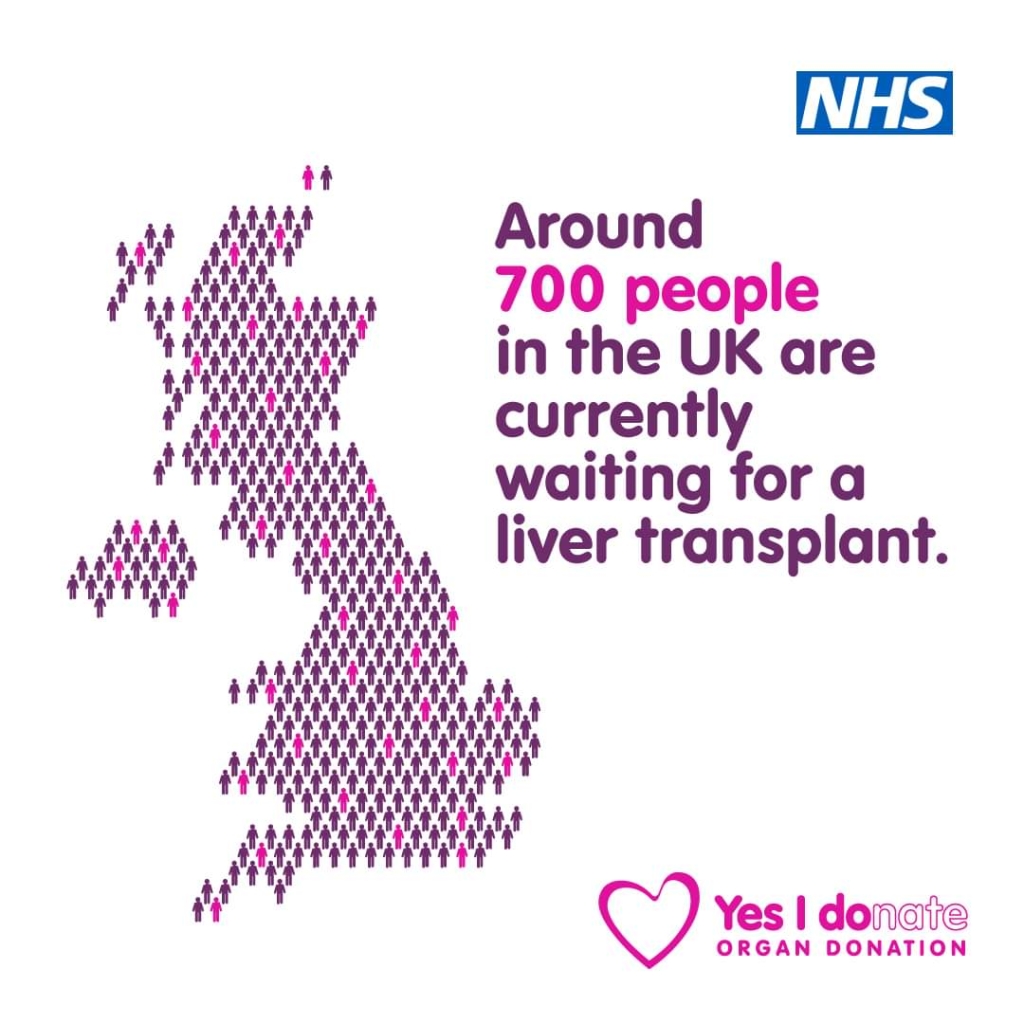
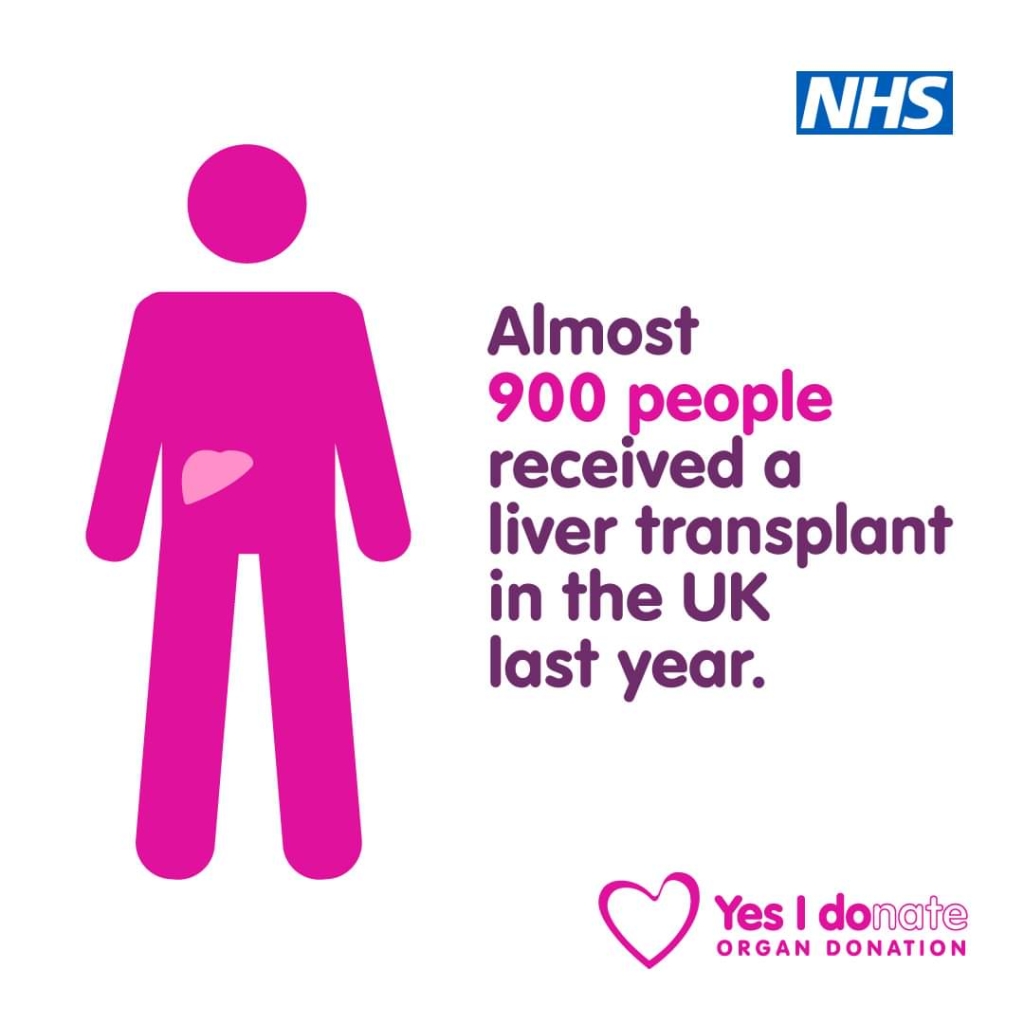
April 19th; World Liver Day; A Message in Pictures from the NHS!
This is a question that we now get asked in clinic; where can I get more information, online, in relation to the condition that I have just been diagnosed with. The British Liver Trust has an extensive array of publications available to read online or download from their website for all liver conditions. We have provided the link below to help you to access this information. Please feel free to make use of this and also to download the document to your computer or smart device so that you can read at another time.
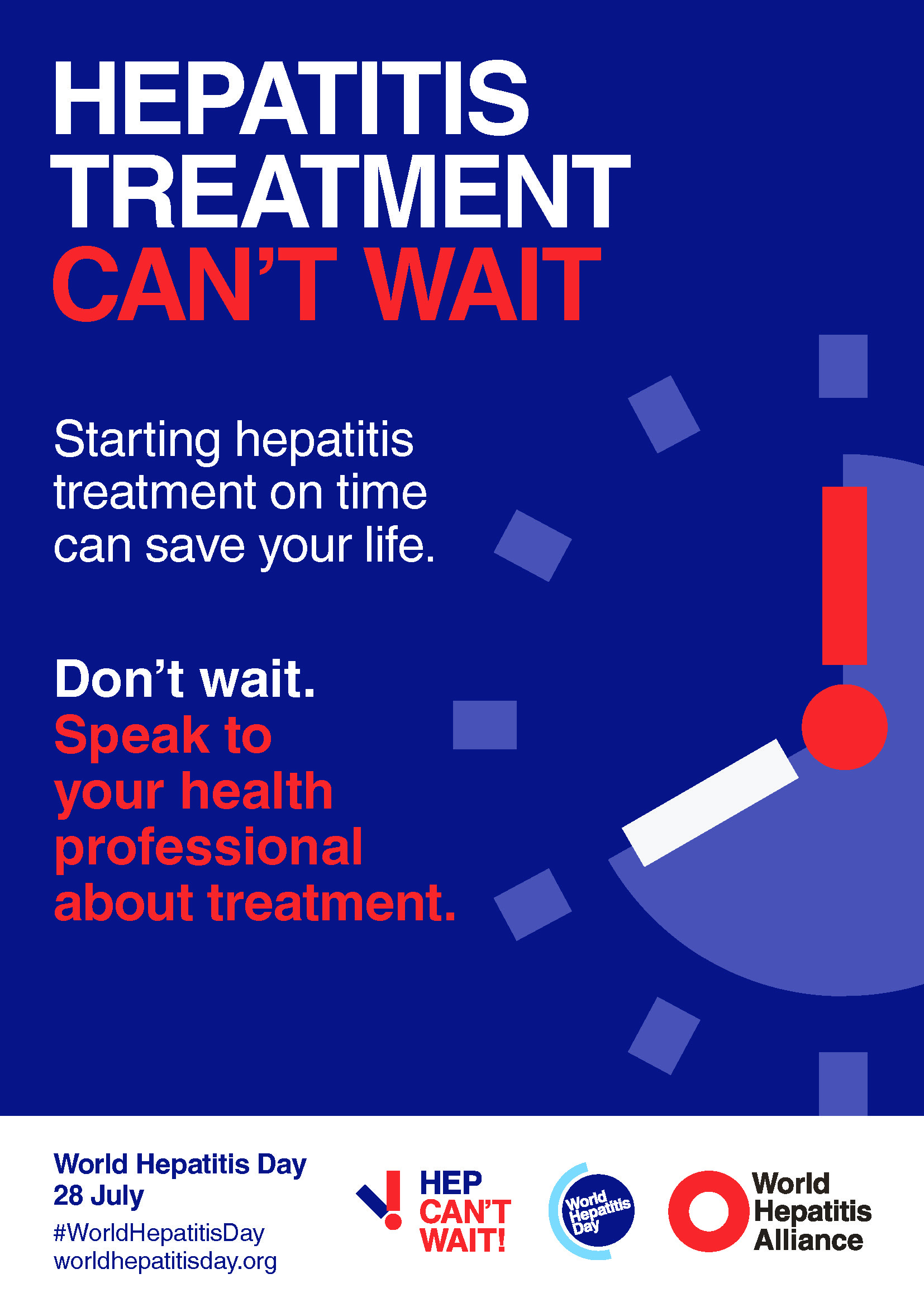
Friday, July 28th, was WORLD HEPATITIS DAY. The Public Health Agency (PHA) continues to remind us that anyone can be at risk of hepatitis, as latest statistics show that there were 122 new cases of hepatitis B cases and 191 new cases of hepatitis C diagnosed here in 2022.*
Northern Ireland’s Chief Medical Officer Professor Sir Michael McBride said: “There are several different types of hepatitis. Some types will pass without any serious problems, while others can be more severe and long-lasting.
“The symptoms of hepatitis can often be vague, or not very noticeable which means there will people be living with the infection without realising it. If you think you may be at risk of infection from hepatitis then we would encourage you to get tested, or speak to your GP.”
Dr Gillian Armstrong, Public Health Consultant at the PHA said: “Hepatitis B tends to be transmitted from an infected mother to her baby or through contact with infected bodily fluids.
“In Northern Ireland, new infections with hepatitis B tend to be from sexual contact with an infected person.
“Hepatitis C is commonly associated with sharing needles or injecting equipment. It can also be spread by having a tattoo or body piercing done using non-sterile equipment.
“The good news is that there is a vaccine to help prevent hepatitis B, and treatment for hepatitis C is now very effective.
“Therefore, we are encouraging people to come forward for testing if they think they could be at risk, for example if they have had a tattoo or piercing where there are concerns about the hygiene standards of the practice, if they have received medical or dental treatment abroad where equipment has not been sterilised properly or if they have ever injected drugs, even if this was only once or some time ago.
Hepatitis comes in various forms, but the most serious are hepatitis B and C both of which can cause chronic liver damage and cirrhosis.
Hepatitis A and E can be transmitted through contaminated food and water but tend to be self limiting infections for most individuals.
“The theme for World Hepatitis Day in 2023 is ‘We’re not waiting’,” said Dr Neil McDougall, Consultant Hepatologist in the Regional Liver Unit, Belfast Trust.
“Our target is to eliminate Hepatitis C as a public health concern in Northern Ireland by 2025.
“We now have fantastic tablet based treatments for hepatitis C with minimal side effects and a cure rate of nearly 100%. But we can only achieve our target if we identify people with hepatitis C and offer them effective treatment.”
Susan Semple, Consultant Nurse at Belfast Inclusion Health Service said: “We are not waiting. It’s time to get ahead – test, treat and cure and work together to eliminate viral hepatitis.
“We want to offer the chance to get tested to anyone who may be at risk of having hepatitis B or C.”
Hepatitis B is most commonly transmitted through blood-to-blood contact following sexual intercourse, injury with contaminated sharp instruments or other equipment by intravenous drug misusers, or by perinatal transmission from mother to child.
The Hepatitis C virus is usually transmitted through blood-to-blood contact. Some examples of ways blood can be transferred include sharing razors and toothbrushes or sharing unsterilized needles – for example while injecting drugs. Sexual transmission and transmission from mother to child do occur, but this is less frequent than in hepatitis B cases.
Dr Armstrong concluded: “We hope as many people a possible will avail of this opportunity to get tested and help us work towards eliminating hepatitis. It is also important to know about how to avoid becoming infected. This includes practising safer sex, avoiding getting tattoos abroad and not sharing needles or injecting equipment. Clean injecting equipment can be obtained from various needle exchange sites across Northern Ireland to reduce the risk from these infections.”
Hepatitis instances
Hepatitis B in NI in 2022: 121 cases, 22% increase on 2021.
Hepatitis C in NI in 2022: 191 cases, 19% decrease on 2021.
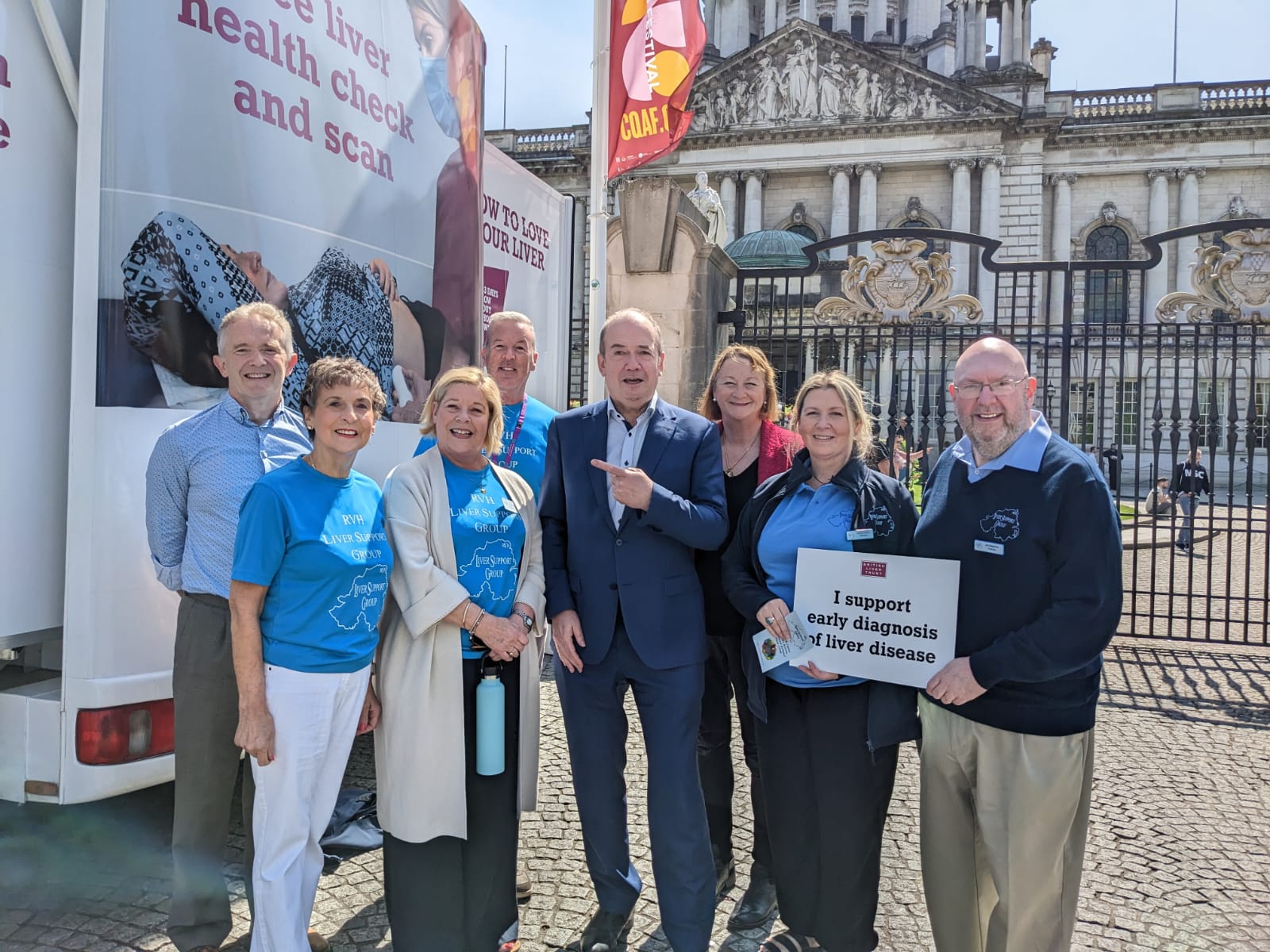
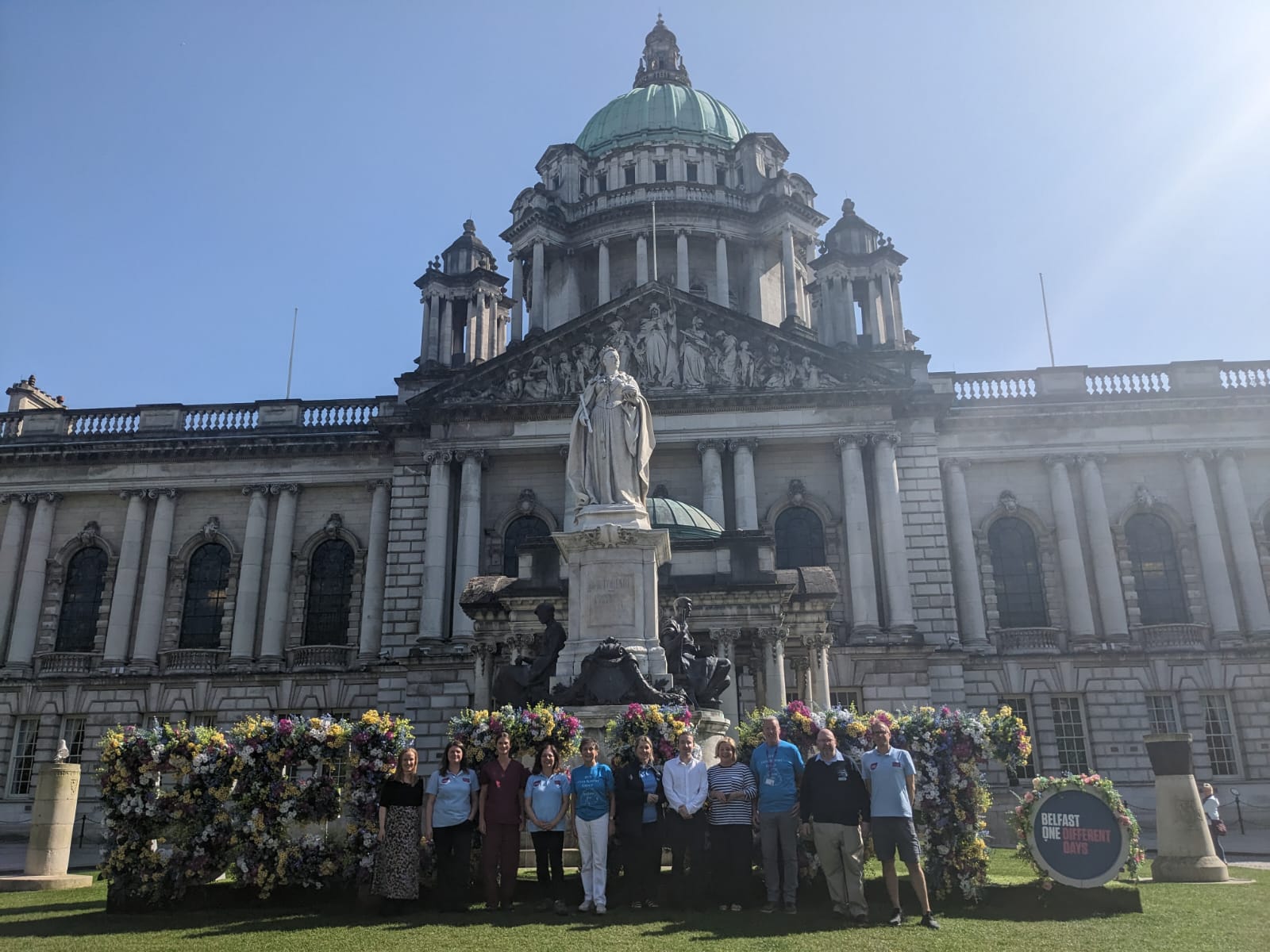
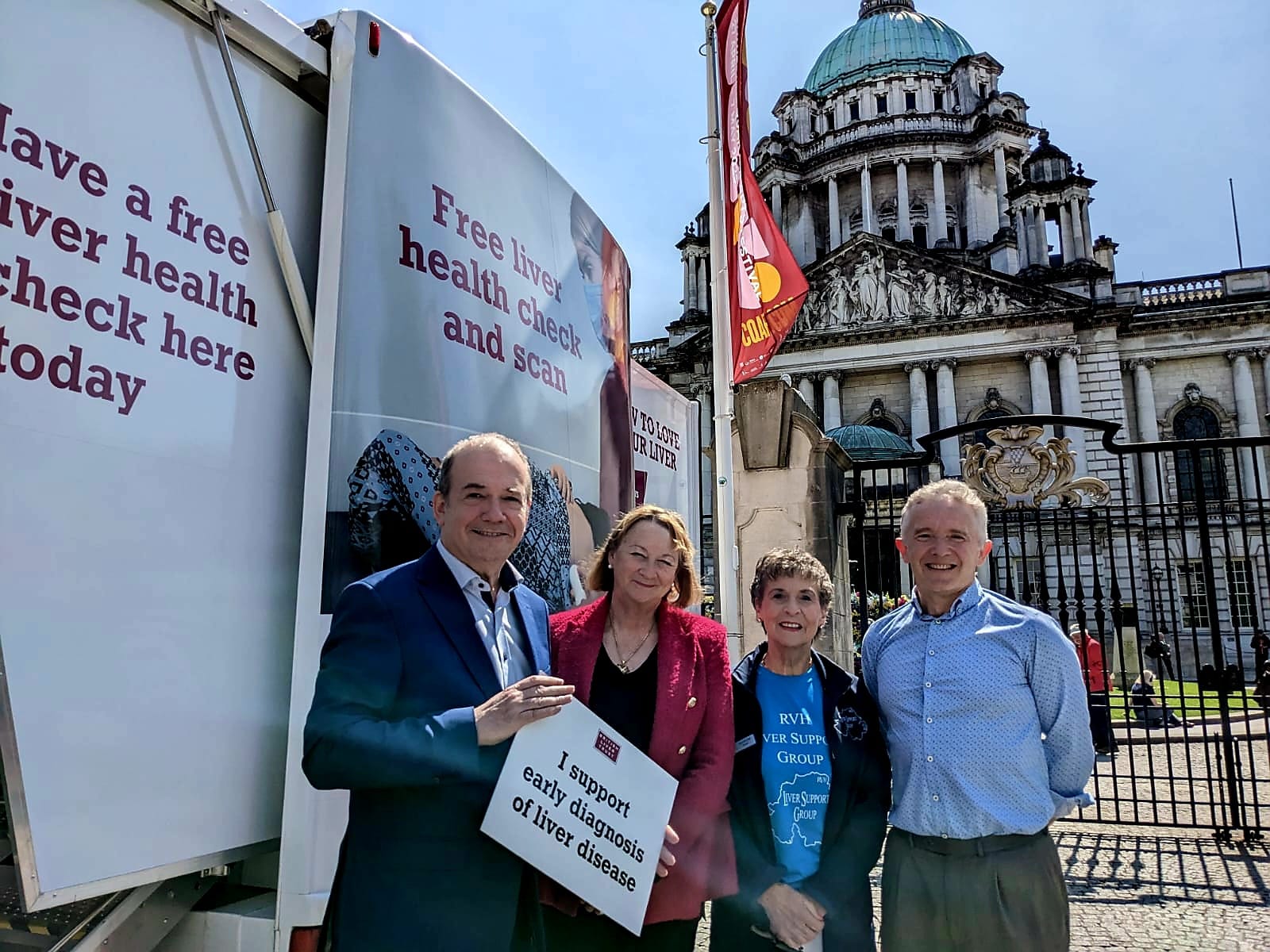
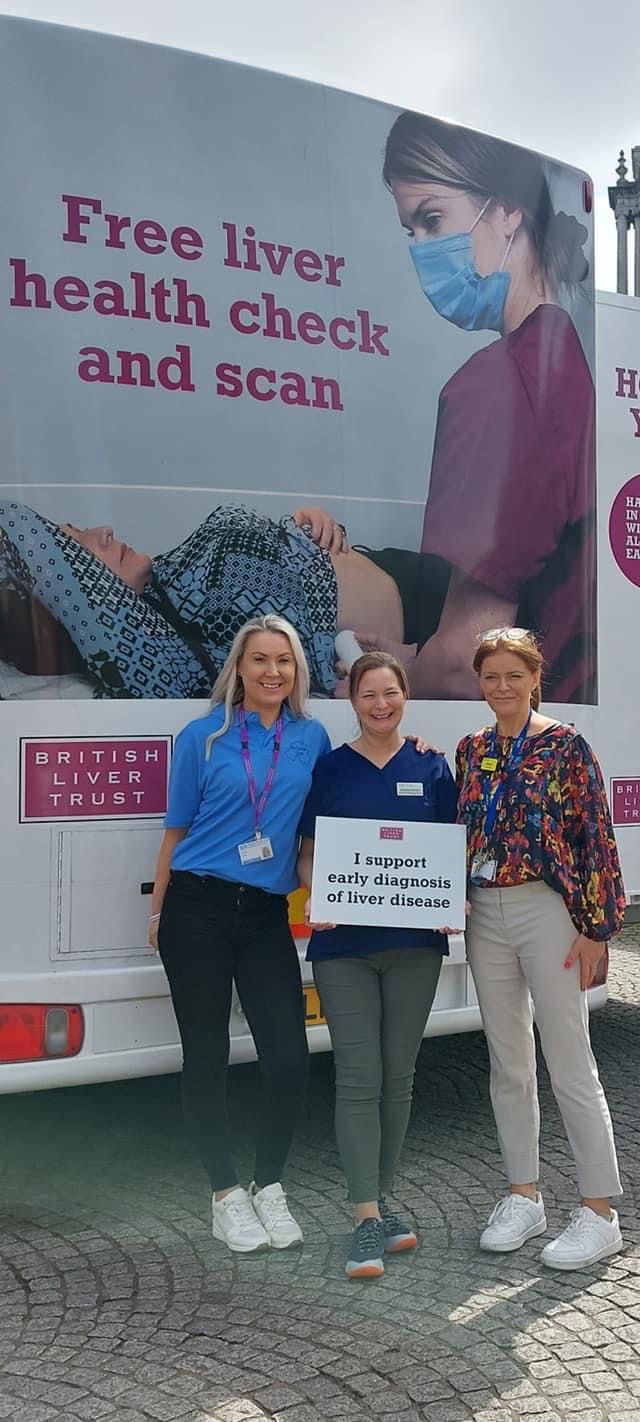
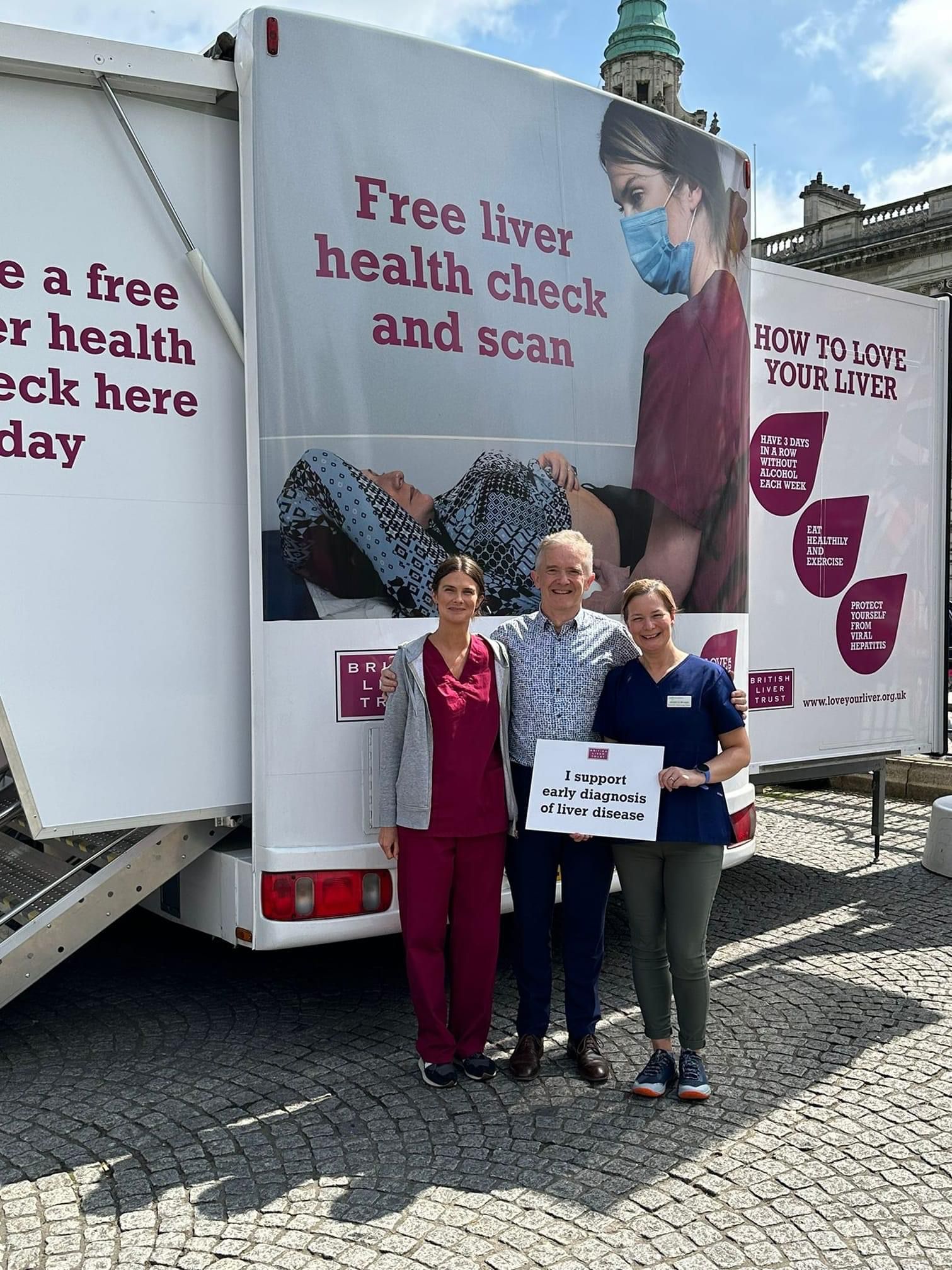
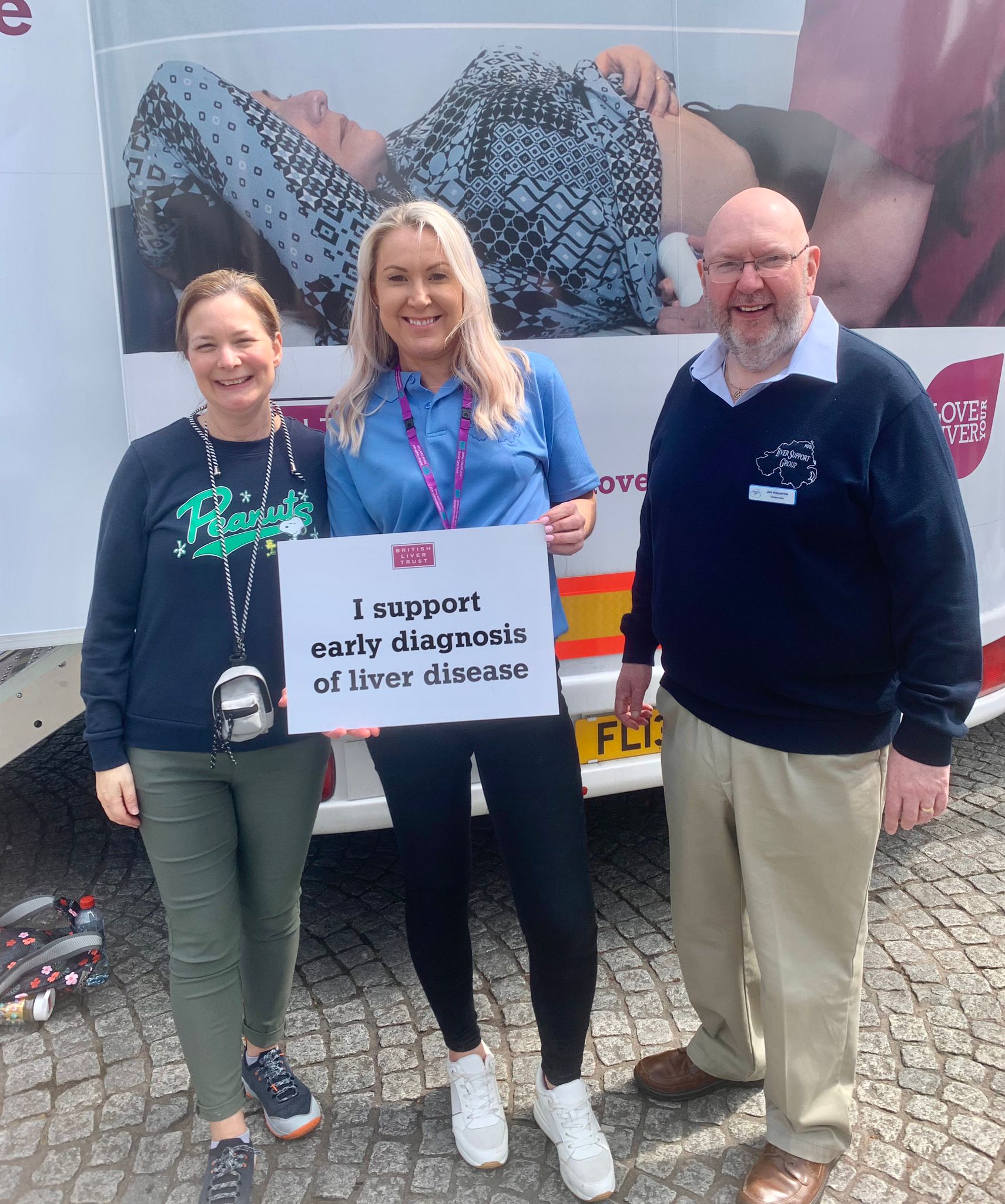
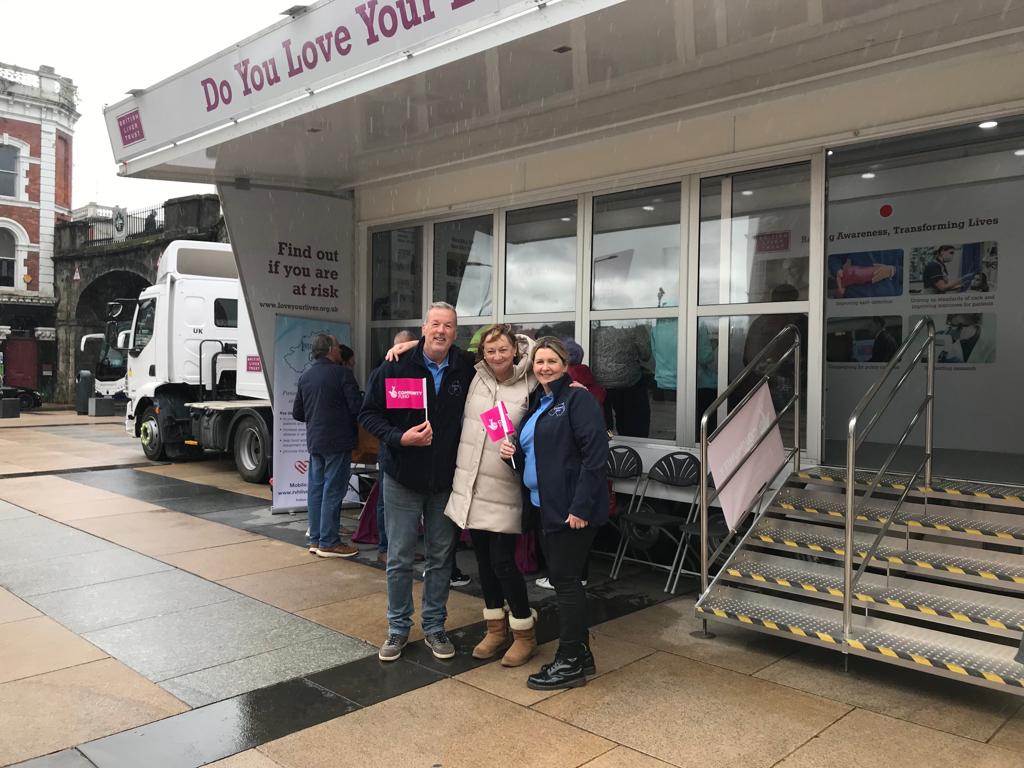
The British Liver Trust recently visited Derry/Londonderry as well as Belfast and provided a “drop in” centre where members of the public could quickly find out about their liver health via a questionnaire and free liver fibroscan. More then 350 people attended the event and were given advice and information on the health of their liver. This is the first really proactive method of helping the public not only become more aware of what their liver does but also to help them to understand the need to take good care of it.
The RVH Liver Support Group welcome this approach and hope to be able to do more in the future to enable the general public to learn more about liver health and change their lifestyles where needed.

The RVH Liver Support Group recently made a donation to the RVH Liver Unit as it investigates the possibility of bringing “Enhanced Liver Fibrosis” testing to N Ireland. In the article below Dr Leanne Stratton, a hepatology consultant in the RVH leading the research, explains what it all means for patients here.
About the ELF test
The “ELF” test is a blood test, also known as the “Enhanced Liver Fibrosis” test. This blood test is a panel which measures 3 separate blood markers of scar damage (fibrosis) in the liver: hyaluronic acid (HA), procollagen III amino-terminal peptide (PIIINP), and tissue inhibitor of matrix metalloproteinase (TIMP-1). This blood test panel isn’t currently available in Northern Ireland.
NICE Guidelines 2016
The ELF test was mentioned in NICE (National Institute for Clinical Excellence) guidelines for non-alcoholic fatty liver disease (NAFLD) in 2016 as a way to determine if there is any significant scar tissue in the liver. One in four adults in Europe has evidence of fatty change in their liver, but not all of these patients will develop scarring in their liver secondary to fat, and not all will need seen by a hepatologist.
The NICE guidelines suggest that the ELF test may be used in adults who have a diagnosis of NAFLD to determine if there is any evidence of advanced fibrosis. These guidelines suggest that, for patients who have an ELF score of 10.51 or above and NAFLD, they can be considered to have advanced fibrosis. For patients with an ELF score of less than 10.51, they are unlikely to have advanced liver fibrosis, and should be reassessed at 3 yearly intervals.
Current practice in RVH Liver Unit
In the RVH Liver Unit, patients are risk-stratified using the “NAFLD score” – this is a blood panel score taking into account recent liver bloods, platelet count, body mass index (BMI) and presence of diabetes. For patients who are “low risk” on this score, they can be managed in primary care, addressing any relevant risk factors (weight, high blood pressure, diabetes, high cholesterol or sedentary lifestyle). For patients who are of “indeterminate” or “high” risk, they are generally offered a Fibroscan and a clinic appointment in the service.
Fibroscans and current challenges
One of the current challenges in the Liver Unit, is with regards to demands on the Fibroscan service. The Fibroscan can be used across lots of different causes of liver disease to help assess for fibrosis. Some conditions, such as chronic hepatitis B, require an interval Fibroscan every few years as per guidelines, which adds to the demand on the resource. Our current waiting time for a routine Fibroscan in Belfast is in excess of two years. Over 25% of patients who are waiting for a Fibroscan have NAFLD. For many years, the only Fibroscan machine in Northern Ireland was in Belfast, and so our waiting list still holds patients from other Trusts who were referred before each Trust had their own scanner.
Another challenge of the Fibroscan can be the difficulty in obtaining accurate readings in patients who are morbidly obese – an increasing challenge that we face in our clinics. There is also currently a four year waiting time for routine clinic appointments in the hepatology service – yet another challenge that we are aiming to address.
Potential solutions
We are keen to explore other ways to “risk-stratify” our patients, so that patients who are at the highest risk of significant fibrosis are seen quickly, and those who are low risk can be given appropriate lifestyle advice and discharged back to the care of their GP. We are currently working on a pathway for new NAFLD referrals into the service, development of a nurse-led first assessment clinic for NAFLD, and educations sessions for GPs across Northern Ireland. As part of this work, we have been keen to explore whether the addition of ELF testing would help to risk-stratify patients, to enable more timely access to the service to those in highest need, and to reduce demand on the Fibroscan service.
RVH Liver Support Group
We have been very grateful to the RVH Liver Support Group for a very kind donation of £2,000 in 2022 to run a pilot study of ELF test feasibility. With collaboration between our laboratory scientists, phlebotomy hub, Ninewells (Dundee) biochemistry labs, and our specialist hepatology nurse Jessica Brown, we have been able to invite 40 patients with “indeterminate NAFLD” scores for ELF tests which cost £50 per patient. This has only been possible with the support of the RVH LSG. This pilot is currently underway and results will hopefully be available and collated by the end of January 2023. This will allow us to assess whether the introduction of ELF testing will be of benefit in the risk-assessment of new NAFLD patients referred into the service. If it appears to be useful, it will give us the information that we need to approach commissioners to ask for funding for this service for patients in Northern Ireland.

As a fellow LSG member and a transplant recipient I thought I would recount my experience of getting
Covid and the treatment option I received .
I surprisingly tested positive after developing symptoms similar to a light cold .
My initial positive was on a lateral flow test. I then booked a PCR as I was still unsure . Next day the PCR test confirmed my positive Covid status .
I was contacted later on that day by a Doctor from the Covid Day Unit at the Ulster Hospital . He had picked up my details from the PCR positive test results.
He talked me through the anti viral treatment option which is offered to those in vulnerable groups which includes transplant recipients.
An appointment was made for 2 days later for me to attend the Ulster Hospital where I received my anti viral treatment .
This was given as an intravenous treatment which only took 30 mins . Everything was explained very clearly and I found the whole experience both friendly and very efficient.
And, when I was at the hospital I even got a lovely cup of coffee and a scone.
I hope this helps anyone else who finds themselves in a similar situation.
Information on the treatment that Patricia was specifically given can be found HERE. It should be noted that this may not necessairly be the treatment that may be offered to others; this is for information only and you must be guided by your medical staff.
The Patient and Client Council wishes to extend an invitation to the first meeting of our Clinically Extremely
Vulnerable (CEV) Engagement Platform on Monday 28th February 2022 at 11:00am.
This initial meeting will serve as an introductory meeting where we will explore the experiences of those who are
CEV, their families and support organisations and to frame the role of the PCC’s Engagement Platform and long term engagement
Please register by Thursday 24th February 2022 by clicking here.
If you have any queries, please contact Jane Reilly on jane.reilly@pcc-ni.net or 028 9536 1705
Patient and Client Council
Your voice in health and social care.
If you’re a liver transplant recipient, please consider taking part in this new study by NHS Blood and Transplant and Imperial College.
The study is looking into the antibody response to COVID-19 in people who are immunosuppressed and vaccinated.
To take part, you’ll need to be over 18 years old and have had (or about to have) your third COVID-19 vaccine. You’ll answer an online questionnaire and take a finger prick blood test at home.
You can find out more and register to take part here > https://britishlivertrust.org.uk/transplant-recipients…/